Epistaxis or nosebleeds can occur spontaneously or follow trauma or irritation in the nose. Common causes are nose picking and drying of the nasal lining.
Dr. M. G. Lamola
“Epistaxis or nosebleeds can occur spontaneously or follow trauma or irritation in the nose. Common causes are nose picking and drying of the nasal lining. “
There are a couple of things that can help prevent nose bleeds. The goal is to prevent drying out of the nasal lining. Here at home you can use Saline drops or Nozoil . The other options need a prescription.
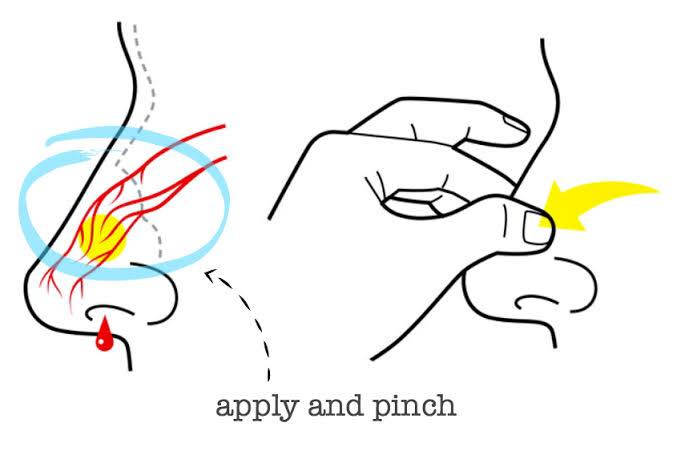
First aid treatment. Tips : you pinch the nose 5-10 mins non-stop. If it does not stop you can repeat. By the third time you need to be making your way to the Emergency Room. Lean forward so you don’t choke on the blood or blood clot. Massive nose bleeds can be an emergency when one can go into shock because of loss of large volume of blood. Research showed that the volume lost is often under-estimated. Once a towel gets soaked then the loss is significant.
At the ER you will be assessed for shock and the blood loss replaced, bleeding disorders and hypertension will be treated. A vasoconstrictor and a local anaesthetic soaked cotton wool can be put into the nose and the soft part pressed for 10 mins
If the bleeding slows down, one can identify the bleeding point and “burn or coagualate” the bleeding blood vessel to stop the flow. This can be done in the rooms if the bleeding is more anterior. For posterior bleeds a general anaesthetic and theatre will be required.
For the patient with severe epistaxis we go with cameras in the nose to clamp the main blood supply of the nose through a procedure called a Sphenopalatine artery ligation (SPAL) or an anterior ethmoidal artery ligation.
For those patients who cannot undergo Anaesthesia or choose another option, the bleeding artery can be blocked by Radiologist during embolization wherein catheters are used to inject material into the artery to block it. Hope you enjoyed this. Good night